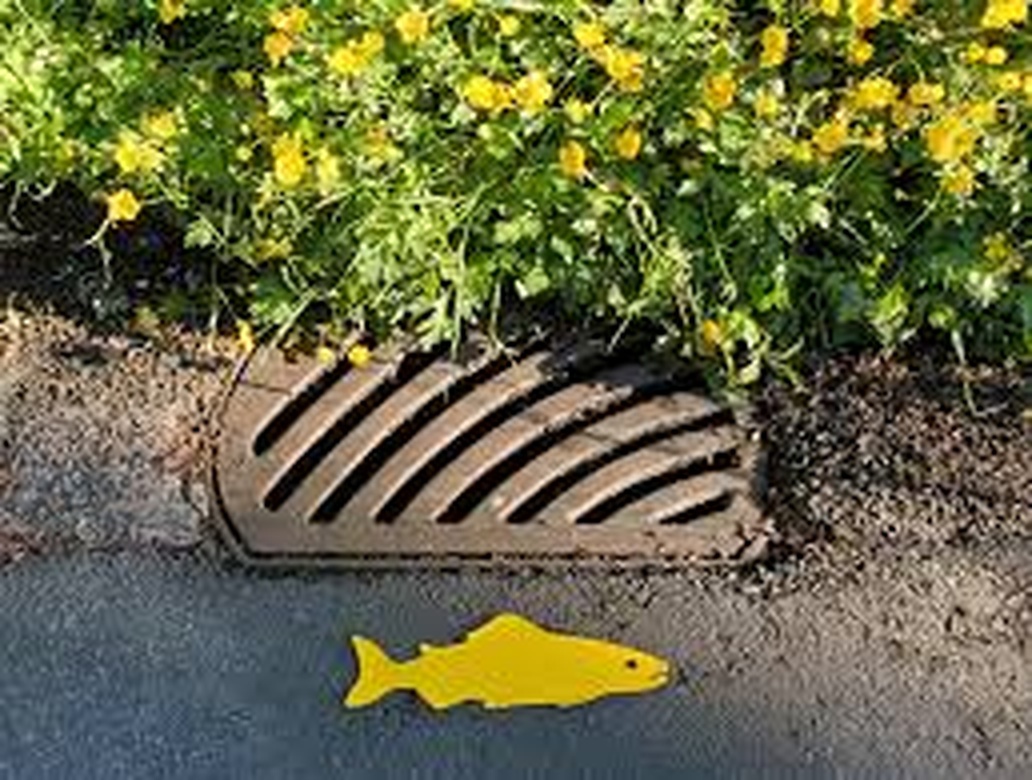
People wonder why there is so much concern about having a tiny amount of metals in the stormwater. It’s not surprising that this thought arises. Especially if it’s discharging off of your property. In all seriousness, we are touching metals all the time. We work with metal tools. We eat with metal utensils. We shave with metal razors. We wear metal jewelry. It’s everywhere.
It’s the fish!
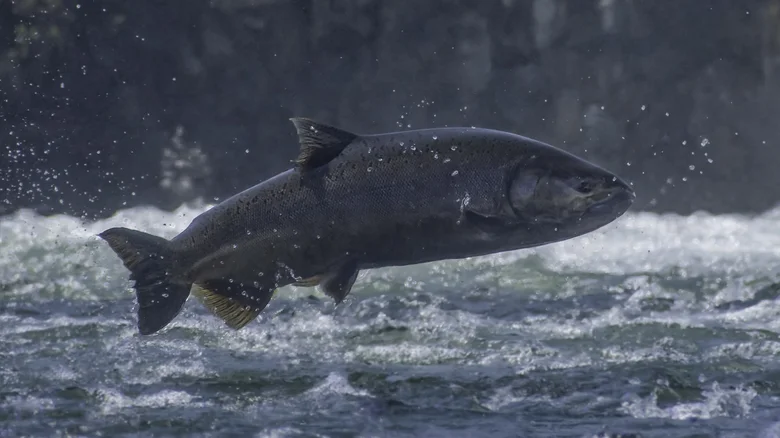
Aquatic species are way different than land-based species. And they have different sensitivities to everyday materials.
How Zinc Affects Salmon Migration
The Salmon Problem. Either Spawn or Die
Ever been out on a boat in the ocean… Then you look around and you can not see any land. It is disarming.
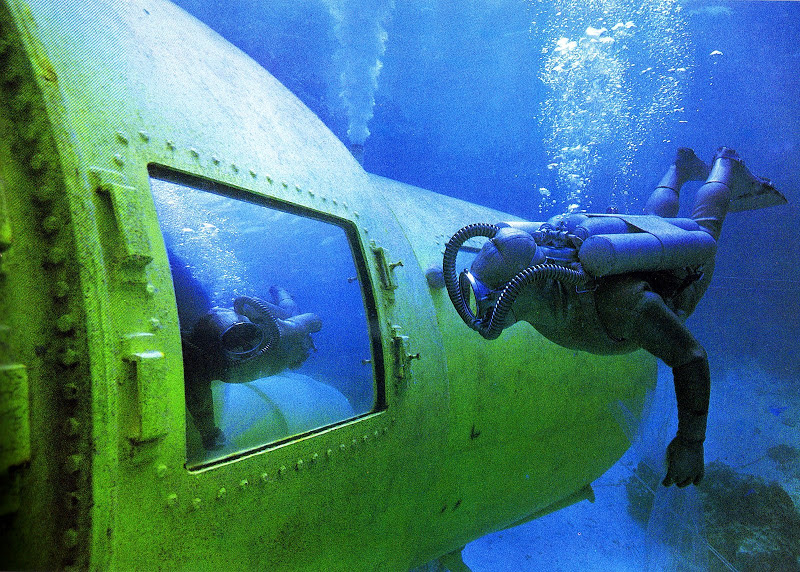
I’ve been a scuba diver since 1967 (when the regulatory was still mounted on the tank). Imagine being down deep in the ocean. You finally surface. Where is the boat? And you see it way, way off in the distance. Maybe, hopefully.
It’s similar for salmon. Salmon hatch from gravel bars in quiet areas of rivers and streams. They spend some time growing in these quiet areas before heading out to the ocean. Then they are out there, gallivanting underwater for 3 to 4 years. After their ocean adventure, they return to those gravel bars. They are traveling over 100 miles to get back to their home. Maybe that is why they sometimes jump out of the water. To see where they are. Not!
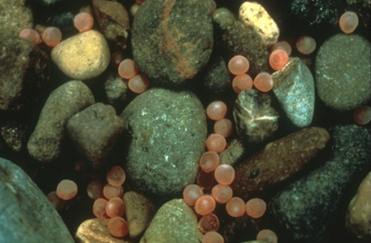
The salmon use their sense of smell to home in on where they spawned. How does that actually work? I have zero idea. That is just how it is. Once they enter into fresh water, they stop eating and live off of their body fat. So there is a time clock before their body quits. And here it is… a small amount of zinc can give the salmon nasal congestion.
As if swimming upstream while not eating is not challenging enough!
Most of the major river drainages and confluences are next to major cities. Cities with their metal buildings, thousands of cars and myriad industrial activities. It’s the cities discharging zinc into the rivers that are confusing the salmon. Removing their sense of smell at a time where they can not afford to get confused on where that gravel bar is.
How Copper Affects Fish Sensory Systems
Copper: I Can Not See!
Here is another strange thing about fish. They have tiny hair-like filaments running along their body. They work as pressure sensors.
- Large pressure wave incoming. That’s a predator. Get out of there.
- Small pressure wave, close by. That’s food. Attack.
- Stationary pressure wave. That’s a wall. Hover.
This is likely how fish navigate at night or in murky water. Not with their eyes, but with their pressure sensors.
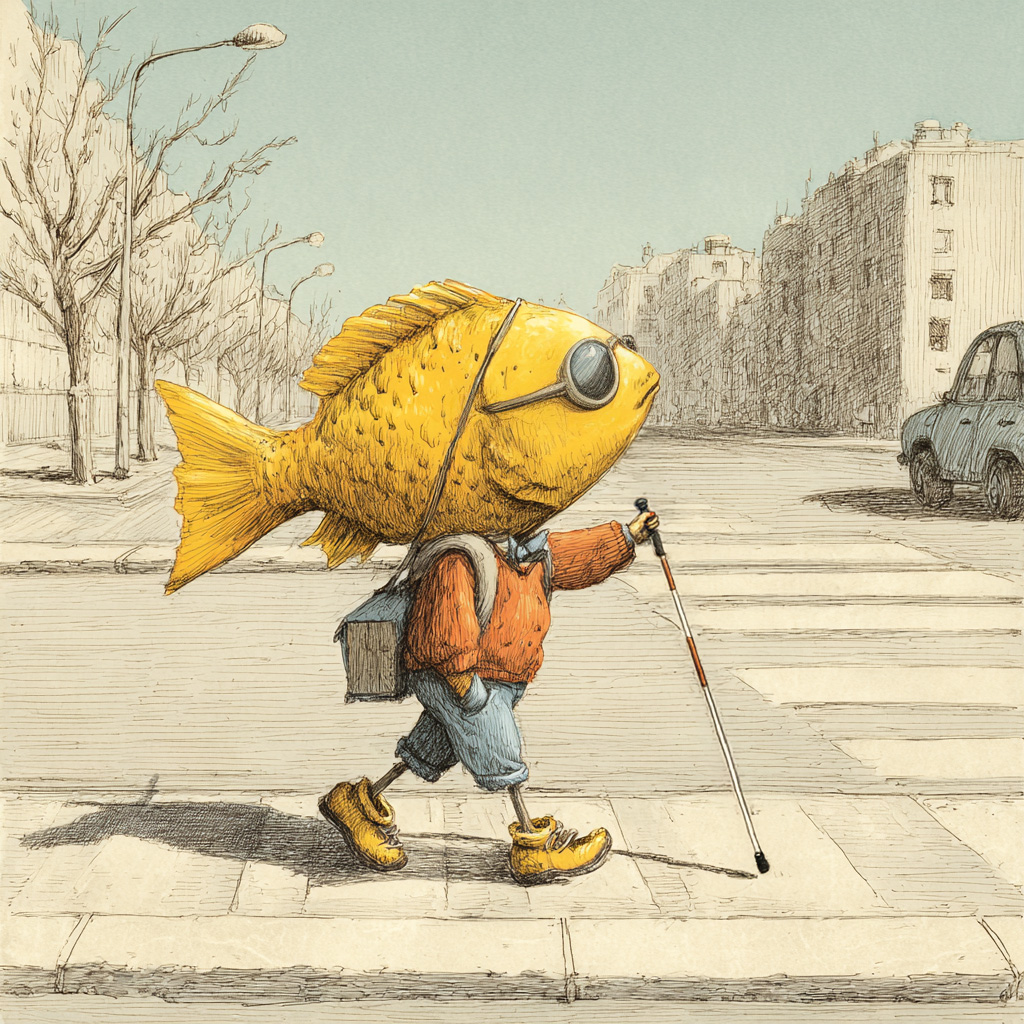
And copper blinds them at extremely low levels. It breaks the connection between those hair cells and the brain. Completely. The fish panic and die within two hours.
Now here’s the good news. The overwhelming source of this copper is brake pads. Copper-bearing brake pads wear down on roads and wash into waterways. California and Washington passed laws in 2010 requiring brake pad manufacturers to phase copper out by 2025. The legislation calls for near zero levels of copper (0.5% of total weight). Because manufacturers sell nationally, the whole country followed. As of 2025, new brake pads must contain almost no copper. So as these brake pads wear out, they are being replaced with the better ceramic pad instead. So this copper issue is declining. And over the next decade it will become a non-issue. Maybe, hopefully.
Here’s how Gullywasher filters copper and zinc from industrial discharge