Catch Basin Filter Inserts for Industrial Stormwater
storm drain filters · sediment filters · trash capture · frame-mounted & basket style
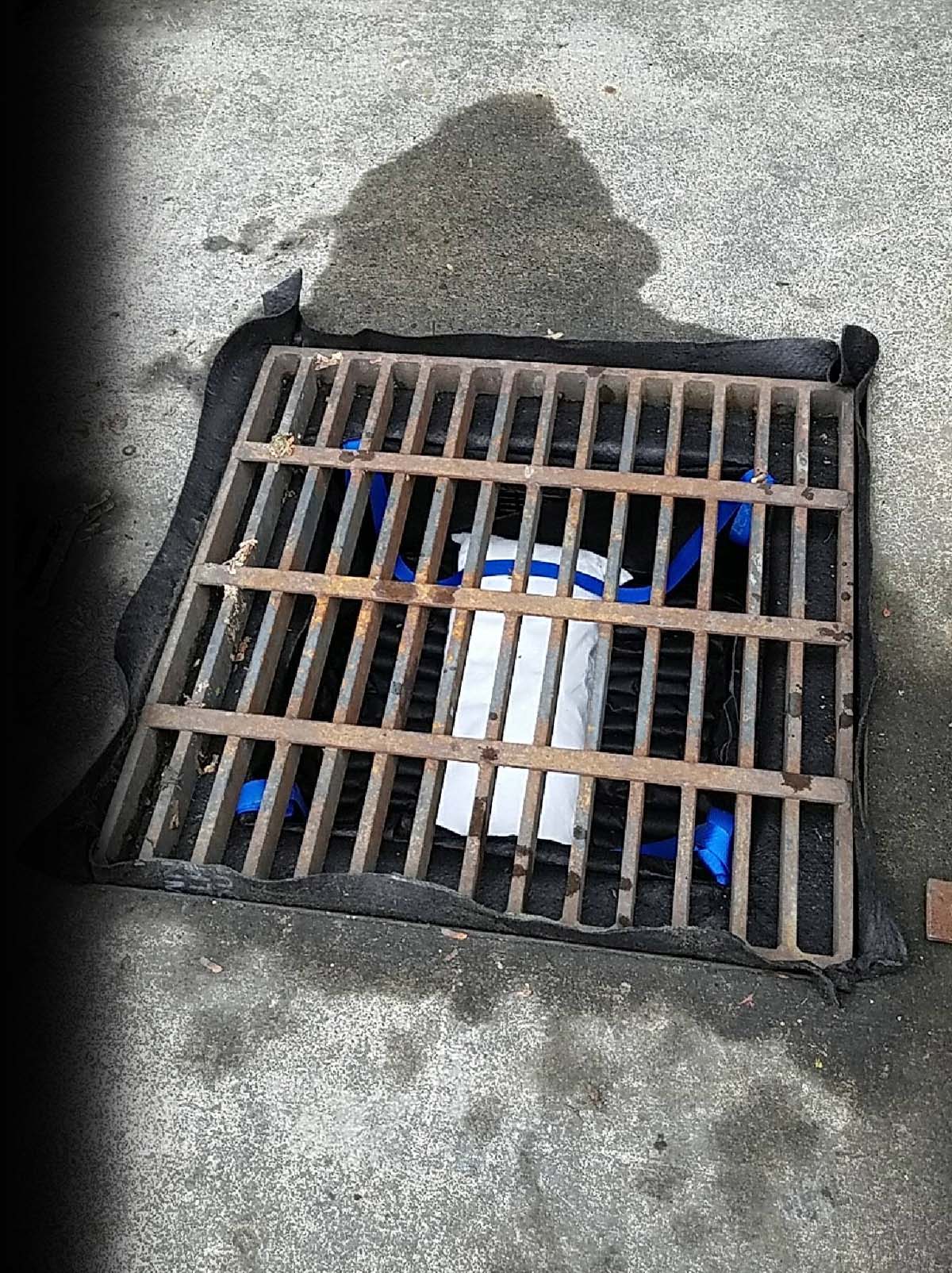
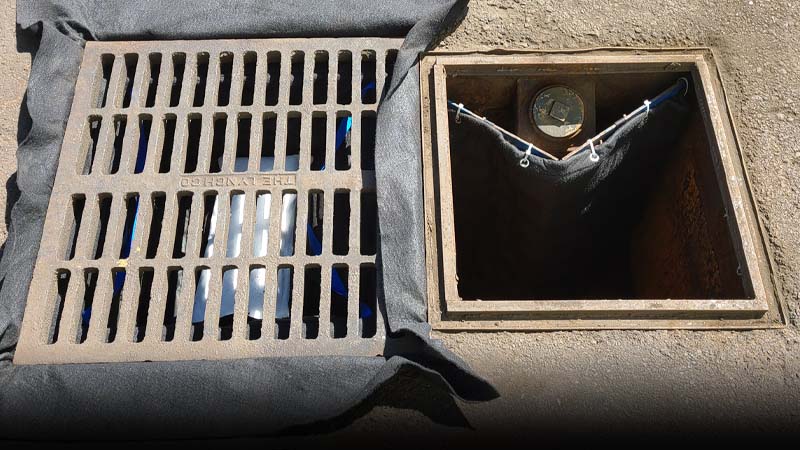
Gullywasher's catch basin filter inserts can filter sediment, muck, trash, nutrients, oil, grease and metals in any environment. We have designed a frame mounted and basket style version of our catch basins allowing you to be compliant regardless of the existing layout of your facility.
order your catch basin inserts explore all stormwater management solutions
92%+
metals removed from storm drain runoff
No Fishing
Our catch basin filter inserts are self-supporting! Designed to eliminate insert falling into the catch basin when the grate is removed.
Ergonomic
Straps allow the entire assembly to be lifted out of the catch basin safely.
Easy Sample Pan
A built in sample pan catches filtered storm water before flowing into the catch basin, so you can pour treated samples straight into laboratory collection bottles.
Green Disposal
The high-quality textile catch basin inserts lining the basket are designed to be washed out and reused.
Focus on Safety
Lift straps on reusable catch basin filter insert allow a single operator to lift it without risking injury.
Proven Results
Effectively remove organics, suspended solids and metals from storm drain runoff with our catch basin inserts — verified by independent lab data.
How a Catch Basin Filter Insert Works
A catch basin filter insert sits inside your existing catch basin, just below the grate, so every drop of runoff passes through filtration media before it enters the storm system. There is no plumbing, no excavation and no downstream construction — the catch basins your facility already has become the treatment system. Stormwater flows in through the grate, passes through the insert's geotextile body and engineered filter media, and leaves the basin treated. Built-in overflow ports handle those heavy rain days, so a loaded insert never turns your catch basin into a pond.
The metals removal happens at the molecular level, through ion exchange. Our patent-pending process is based on metal ions forcing sodium ions to exchange places, stripping dissolved metals out of the stormwater. The sodium ion is one of the weakest atoms in nature — its charge (known as valence) is just a positive one. Metal ions in stormwater carry higher positive charges (2+ or 3+), so they take the sodium's site on the media's negatively charged surfaces. By having a massive amount of those sites occupied by single sodium ions, our MetalCompliant inserts can strip out dissolved zinc, copper, lead, nickel and chromium — the pollutants that sediment-only inserts leave in the water.
Catch Basin Filter Insert Performance. We've got the data to prove it!
Gullywasher MetalCompliant catch basin filter inserts capture zinc, copper, and lead with proven 70–97% removal. The table below is the sample series for the same MetalCompliant filter insert over a full year at Portland's Postal Distribution Center — a 10 acre site acting as the distribution center for the State of Oregon and SW Washington. One insert, three seasons, still hitting benchmark.
Winter
Summer
Fall
MetalCompliant Catch Basin Filter Insert Performance
Winter
MetalCompliant Filter Insert Performance
Summer
MetalCompliant Filter Insert Performance
Fall
What Makes Our Filter Inserts Better?
Most catch basin inserts on the market are glorified sediment bags. Ours are engineered as a treatment system:
- Our catch basin inserts pull contaminants out of your stormwater at the molecular level — including dissolved metals, not just particulates.
- There are standard sizes and custom sizes. We build both.
- Lift straps allow one employee, rather than a crew, to change out the filter inserts — and a grate puller makes maintenance a one-person operation.
- Our yellow sample pan under the basket makes grabbing a clean sample easy.
- The inserts can be cleaned with a garden hose and reused over and over.
- Our basket and framed style filters change out in less than two minutes.
- The design supports itself after the grate is pulled — there is no chance for the assembly to fall into the storm drain, unlike some competitors' designs.
- Pick a filter insert based on your needs: sediment, oil/sediment, or heavy metals.
- Overflow ports are built into the filter design for those heavy rain days.
- Each insert utilizes as much area as your catch basin has to offer, allowing higher flow and more surface for treatment.
This is the type of email we get from our clients:
“Received results today from the Lab, for the most recent stormwater testing, done just after Gullywasher installed the newest filters here in catch basin #009. All metals are within the benchmarks, WOO HOO!”
Talk to Someone Today
We know compliance can be a headache. Reach out to us via phone, email or contact form and get started.
talk to a stormwater management engineerOne Size Does not Fit All
Like the facilities themselves, not all catch basins are the same. That's why we custom build our catch basins filtration systems for your specific needs and dimensions. We offer two styles. Both, our frame mounted and our basket style catch basin inserts are lightweight, easy to maintain and highly effective. Our basket system can come with a sliding sample pan for easy sample collection.
Installing or replacing a basin? The easiest time to add filtration is at install time — our catch basin installation & replacement team can fit an insert before the new basin goes into service.
Frame Mounted
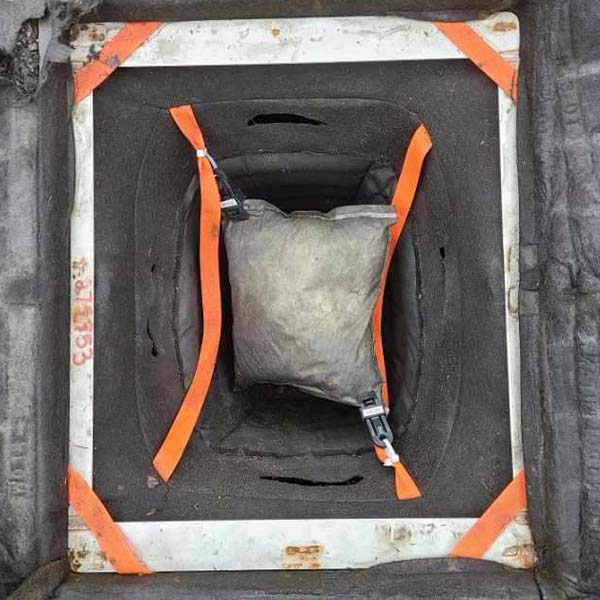
Our frame mounted catch basin insert uses a stainless frame specifically sized to fit cleanly on the grate lip of any catch basin. The MetalCompliant filter insert uses sewn-in tabs to lock onto the corners of the frame, with ergonomic lift straps for worker safety. Installing our frame mounted catch basins is easy and doesn't require any tools.
Basket Style
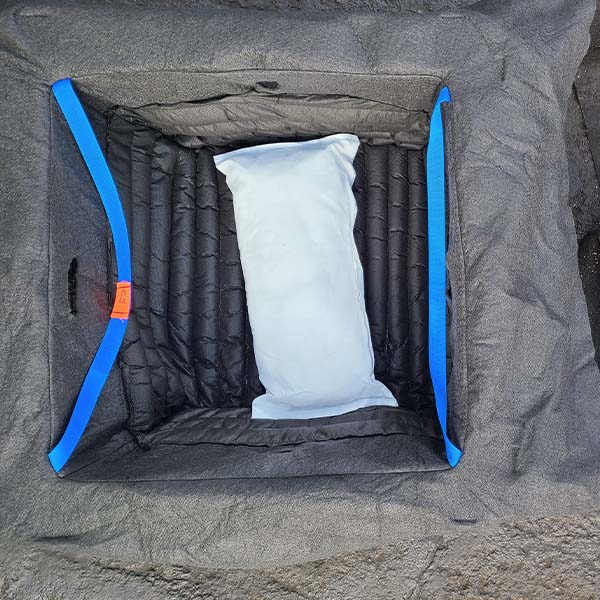
The industrial basket design uses a stainless frame with a riveted marine-grade wire basket that fits cleanly onto the lip of your catch basin. It can include a sliding sample pan located underneath the basket allowing you to pour out treated storm water samples directly into laboratory collection bottles — no tools required to install.
| Features | Frame Mounted | Basket Mounted |
|---|---|---|
| Self Supporting Without Grates | ✓ | ✓ |
| Easy to Install and Maintain | ✓ | ✓ |
| Ergonomic Lift Straps | ✓ | ✓ |
| Sediment / Oil / Metal Compliant Inserts | ✓ | ✓ |
| Treated Water Sample Pan | ✗ | ✓ |
| Mounting | Stainless frame on the grate lip | Stainless frame + riveted marine-grade wire basket |
| Grate Compatibility | Sized to fit any grate lip | Sized to fit any grate lip |
| Install Time | Under 2 minutes, no tools | Under 2 minutes, no tools |
| Maintenance | Hose out, inspect, re-seat | Hose out, inspect, re-seat |
Which style should you choose?
Choose frame mounted when you want the lightest, simplest insert for a standard catch basin — it is the fastest to install and the easiest for one operator to service on a route. Choose basket style when you collect stormwater samples at the basin: the sliding sample pan lets you pour treated water directly into lab bottles instead of dipping downstream. Either way the filtration media and removal performance are identical, and both are custom built to your basin's dimensions. Not sure what's under your grates? Our catch basin installation and replacement crew can measure, spec and install the right insert for every basin on your site.
One Insert Line, Every Pollutant on Your Sampling Report
Every facility's stormwater problem looks different on paper — sediment benchmarks here, oil sheen there, trash TMDLs somewhere else. We build the insert around the pollutant, so you treat what your permit actually measures.
Catch Basin Sediment Filters
Sediment is the workhorse problem: track-out, yard dust, and fines that carry attached metals with them. Our sediment inserts use a geotextile body sized to your basin, capturing suspended solids and muck while overflow ports keep water moving in heavy rain. When the insert loads up, hose it out and put it back — and if the basin itself is full of years of accumulation, our catch basin cleaning crews can reset it before the insert goes in.
Catch Basin Trash Filters
Wind-blown litter, packaging debris and vegetation collect wherever runoff concentrates. Our trash capture inserts screen out gross solids before they enter the storm system, keeping outfalls clean and inspections boring. Because the insert is self-supporting and lifts out by its straps, emptying it is a one-person job — no fishing gear out of the sump.
Oil & Grease Filters
Parking, fueling and equipment areas leave oil, grease and petroleum sheen in runoff. Our oil/sediment combination inserts pair the sediment body with oleophilic media that grabs hydrocarbons as water passes through — one insert, two benchmark parameters, changed out in under two minutes.
Gullywasher vs. Generic Catch Basin Inserts
Generic drop-in inserts — the witch-hat bags and off-the-shelf sediment socks sold by the pallet — filter particulates and stop there. If your benchmarks are turbidity-only, they may be all you need. But dissolved zinc, copper and lead pass straight through them, because trapping a dissolved metal takes media chemistry, not a finer mesh. That's the difference you're seeing in our lab data above: 70–97% removal of zinc, copper and lead, verified season after season on the same insert. Ours are also built to your basin's dimensions rather than a nominal size, so the full grate area works for you — higher flow, more treatment surface, no bypass around a badly fitted bag. The media inside the insert is the same engineered filter media we run in our full-size biofilter systems, blended in-house from known origins.
Case Studies
Stormwater compliance can be tricky. Gullywasher offers several solutions to control storm water contaminations at your site. Explore our insight, case studies and success stories!
explore all articles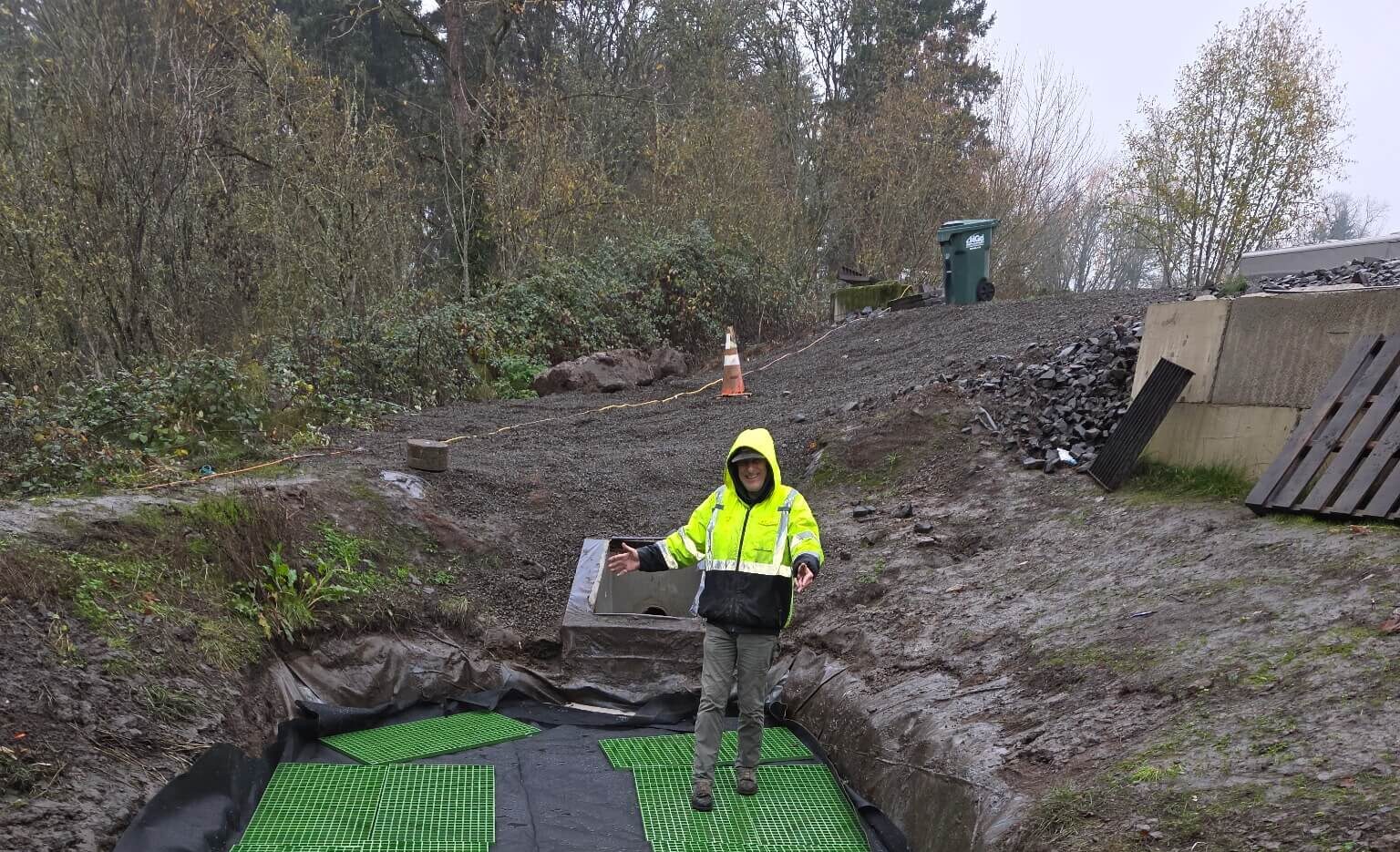
Oregon Waste Transfer Facility Stormwater Compliance: A Biochar Filter Case Study
Industrial Stormwater at a Waste Transfer Facility: The Starting Conditions An industrial waste transfer facility in Oregon sits at the intersection of heavy vehicle traffic and stormwater regulation. Every rain event is a collection event — brake dust, tire fines, debris from truck undercarriages, and residue from galvanized roofing migrate across the facility surface and …
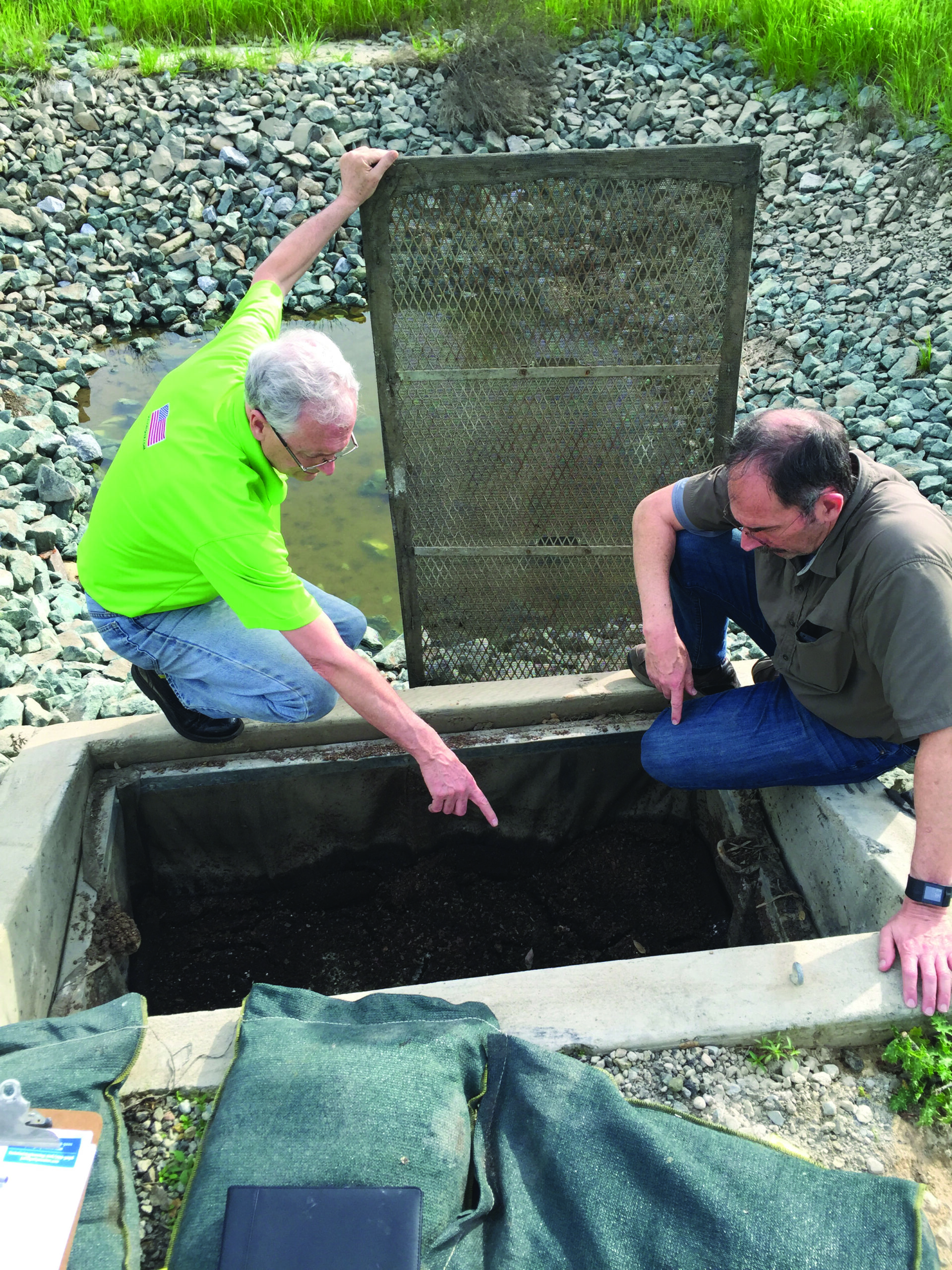
Stormwater Compliance for a Boatyard
Berkeley Marine Back to Baseline Status! Berkeley Marine Center lies within one of the major epicenters of environmental activism. Imagine trying to operate a heavy marine repair yard that is just down the same street of UC Berkeley? And that the space adjoining your boat repair yard is a state marine park with spectacular views …

Portland Postal Distribution Center
It was the Facilities Manager of the Vehicle Maintenance Center of the US Postal Distribution Center who also had the environmental responsibility of achieving stormwater quality compliance for their entire 10-acre site. Being the central distribution for the State of Oregon and SW Washington, hundreds of long-range tractor-trailers, cube vans, cargo trucks, and postal trucks …