Catch Basin Installation & Replacement Services
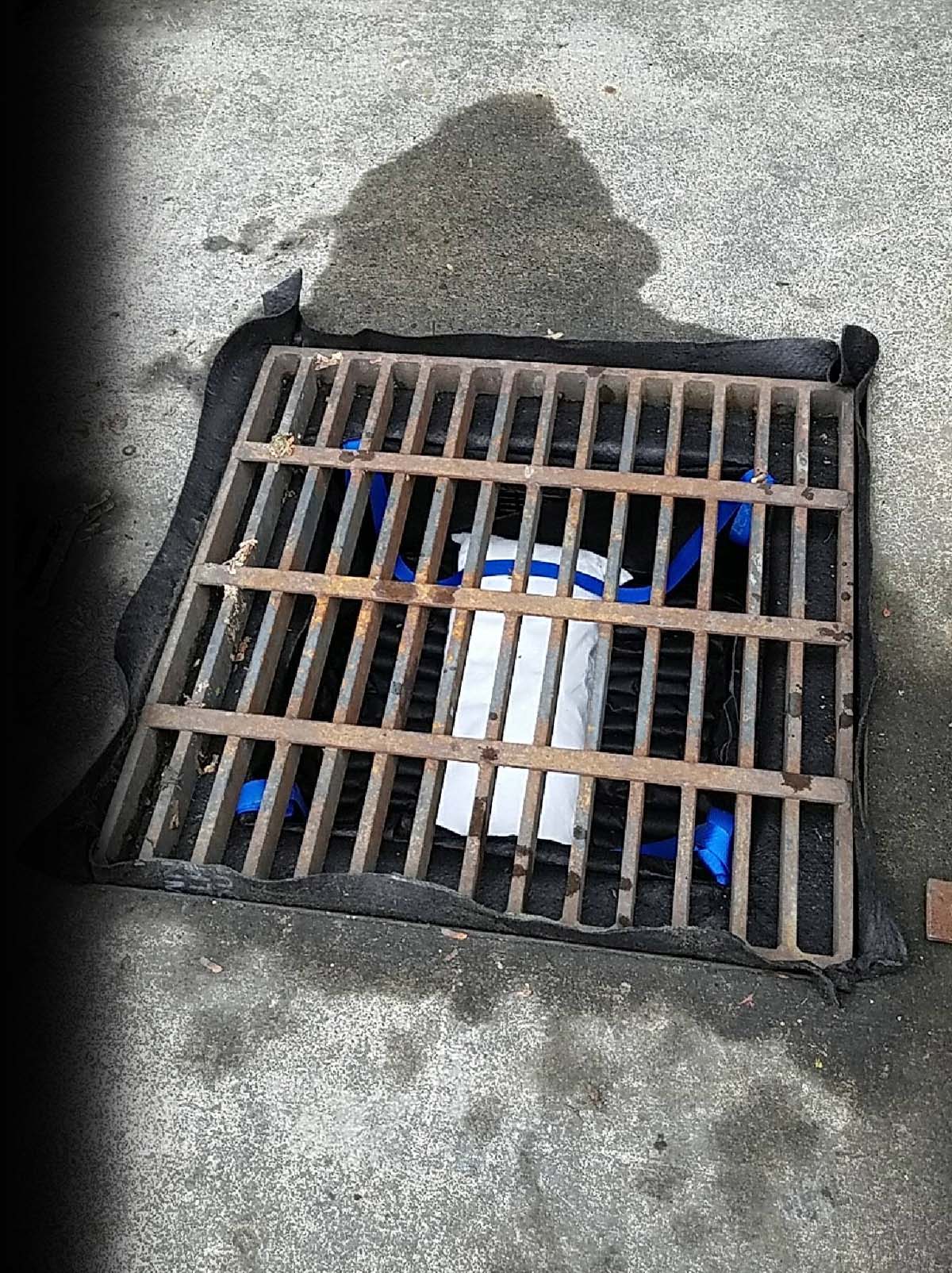
When a catch basin cracks, clogs, or can no longer keep up with the water hitting it, the damage rarely stays underground — flooded pavement, erosion, and permit violations follow fast. Gullywasher designs, excavates, and installs precast and cast-in-place catch basins, and fully replaces failed or undersized basins, across Seattle and the Puget Sound region — with compliance testing included and a written quote within 24 hours.
precast catch basin installation · cast-in-place fabrication · catch basin replacement · grate & frame upgrades — serving Seattle, Tacoma, Bellevue, and the greater Puget Sound region.
get an installation quote explore all maintenance servicesWhy a Failing Catch Basin Can’t Wait
Catch basins — also called storm drains, curb inlets, or drop inlets — sit at the low points of your site and take the first hit from every storm. They capture runoff, trap sediment and debris, and channel water safely to underground pipes or treatment systems. When one fails, the problems surface quickly:
Flooding & Erosion
Localized flooding and surface pooling that erodes pavement edges and landscaped areas.
Pavement Damage
Sinking asphalt and cracked concrete around the basin as the subgrade washes out.
Permit Non-Compliance
Failed inspections and NPDES or municipal drainage-code violations.
Liability
Trip hazards, standing water, and sediment and trash discharging into the public storm system.
Early intervention is dramatically cheaper than an emergency dig-out. If a basin on your site is showing symptoms, it’s worth an assessment now.
New Catch Basin Installation
For new construction and site upgrades we supply and install precast concrete catch basins sized to your actual flows — not just what’s on the shelf. Our team handles the full scope:
- Sizing and spec guidance — grate load rating (pedestrian to H-20 traffic-rated), sump depth, and inlet/outlet configuration
- Utility locating and municipal permitting
- Excavation to subgrade, gravel base, and engineered backfill
- Watertight tie-ins to existing storm lines or new connections
- Surface restoration — asphalt or concrete patching, striping, and grading
Every installation is flow-tested and documented for your O&M records and regulators.
Cast-in-Place & Onsite Fabrication
When a precast basin won’t fit the site, we build the basin to the site. Gullywasher fabricates cast-in-place concrete catch basins onsite — a capability off-the-shelf precast suppliers can’t offer:
- Odd footprints, shallow utilities, and tight easements where standard precast can’t go
- Direct tie-ins to existing storm lines at any angle or elevation
- Chemical-resistant coatings for industrial sites with hot water, oils, or process runoff
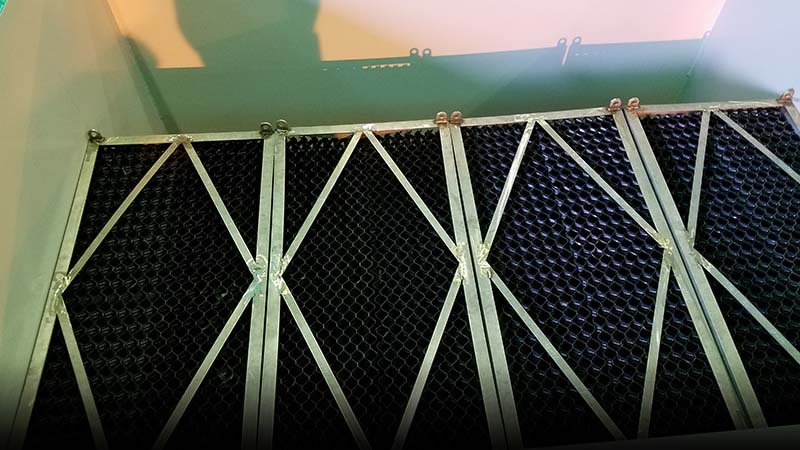
It’s the same in-house fabrication capability behind our custom catch basin inserts — engineered for your site, not adapted to it.
Catch Basin Replacement
Most replacement calls start the same way: a basin that has been limping along for years finally fails an inspection or floods a parking lot. Signs a catch basin needs replacement rather than another cleaning:
- Structural cracking or deteriorated concrete walls
- Sinking pavement or visible collapse around the rim
- Chronic overflow or standing water even after cleaning
- Undersized for current flows after site expansion or upstream development
- Pipes pulling away or separating at the joints
- A failed municipal or NPDES inspection
Replacement starts with saw-cutting and demolition of the failed structure, excavation to subgrade, and removal of washed-out material. We then set the new basin — precast or cast-in-place — re-establish watertight pipe connections, backfill in compacted lifts, and restore the surface to match the surrounding pavement. Because the basin is already open and offline, replacement is also the most economical moment to upsize an undersized basin or add a filter insert.
A typical single-basin replacement takes one to three working days, and we plan traffic control and phasing so the rest of your site keeps operating while we work. We also offer emergency replacement for collapsed or hazardous basins. If you’re searching for catch basin replacement near you in the Seattle area, we can usually get eyes on the problem within days, not weeks.
Related Services
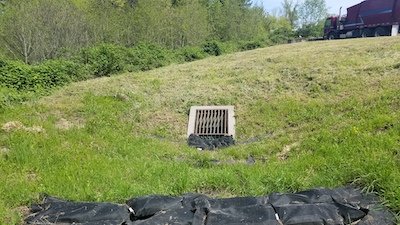
Catch Basin Inserts
Add trash, oil, and sediment filtration to any basin — including the one we just installed.
learn more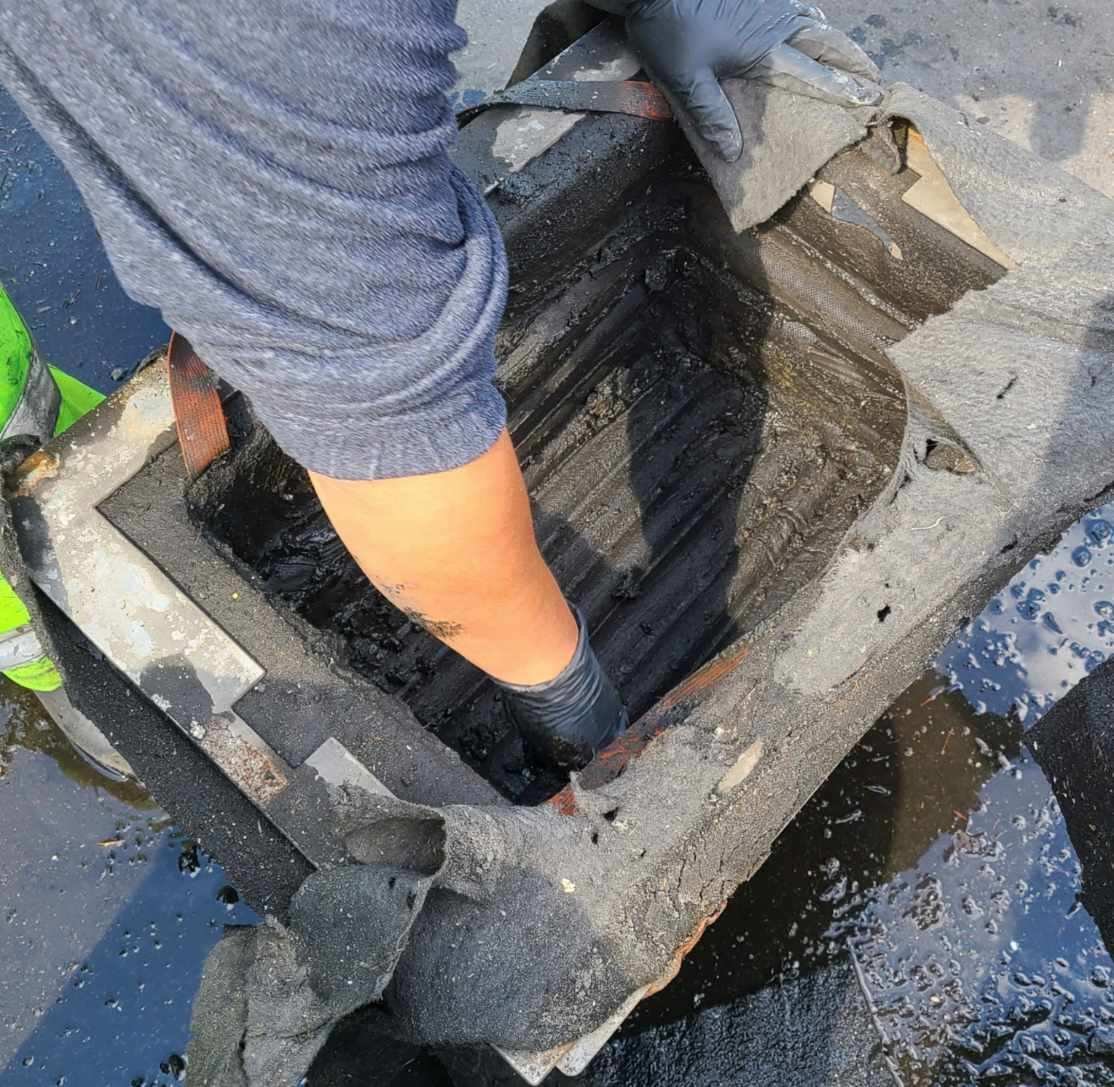
Catch Basin Cleaning
Routine cleaning and inspection keeps new basins compliant and catches failures early.
learn more
Filtration Media
The treatment media inside our inserts and vaults, matched to your site’s pollutants.
learn moreAlready have basins in the ground? Ask us about a full stormwater maintenance plan to reduce costs and avoid violations.